



Thursday, 19/11/2026, 11:00 (GMT +7)
 15
Kuehne+Nagel global port operations update, November 11–17, 2026
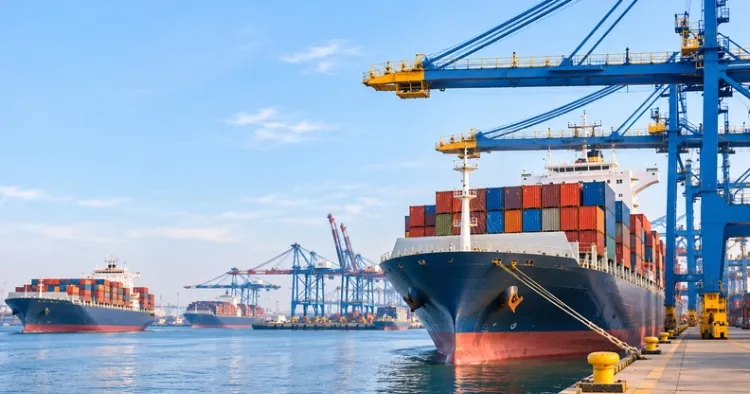
Illustrative image: Phaata
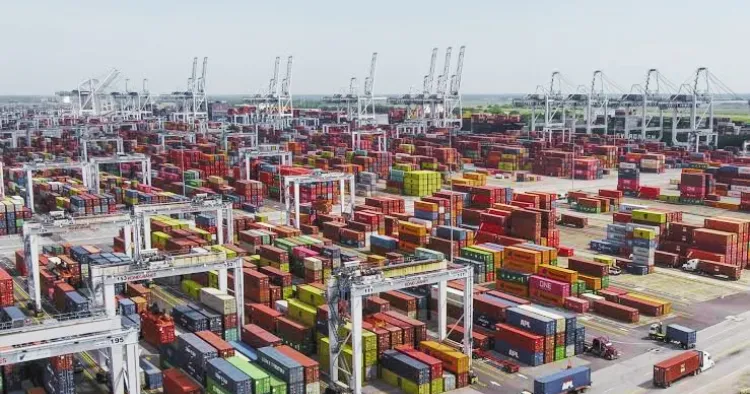
According to its port operations update for November 11–17, 2026, Kuehne+Nagel reported operational pressures at ports worldwide and provided data on average vessel waiting times over a seven-day period across Africa, Asia–Oceania, Europe, the Middle East–Indian Subcontinent, North America, and South and Central America.
In Asia, Berth 12 at Yantian Port, China, is expected to remain closed until the end of November following a crane collision on November 9. Congestion also persists at Cat Lai Port in Ho Chi Minh City and GML terminal in Vung Tau.
In Europe, a nationwide intersectoral strike planned in France for November 17 was expected to affect sea and inland transport operations. Several other major ports in the region were also facing operational pressures due to high yard utilization, adverse weather conditions and equipment constraints.
Note: Vessel waiting times represent seven-day averages and cover only mainline container ships waiting at designated anchorages before their scheduled port calls. The data was recorded by Kuehne+Nagel as of November 17, 2026. Information on strikes, berth closures and operational suspensions reflects the plans in place at the time of the report.
Africa
- Luanda (Angola): The 7-day average vessel waiting time is around 3.0 days. Customs, border and road-network constraints remain the main causes, with high swells additionally affecting berthing.
- Tema (Ghana): Around 6.08 days. Heavy volumes, elevated yard occupancy, high reefer utilization and trucking shortages are slowing cargo evacuation. Durban–Tema service frequency has increased to weekly.
- Conakry (Guinea): Around 11.5 days. Congestion remains severe, with berth allocation managed on a first-come, first-served basis and limited to one vessel per shipping line.
- Beira (Mozambique): Around 8.14 days. Conditions remain critical. Intermittent rain and wind are expected to create further operational risk.
- Pointe Noire (Republic of the Congo): Around 4.85 days. The terminal remains heavily congested, with yard occupancy reaching approximately 95%. Fixed window and FIFO berthing systems have been suspended, with priority now given to vessels carrying larger cargo volumes to accelerate yard recovery. Feeder vessels continue to experience extended waiting times, particularly those dependent on mainline connections.
- Dakar (Senegal): Around 4.0 days. Out-of-window vessels are experiencing delays of up to 72 hours. Yard utilization remains elevated at over 82%, requiring close monitoring as cargo volumes increase.
Asia Oceania
- Shanghai (China): Around 2.14 days. Wind-related closures and suspended barge operations have increased congestion. Yard density remains high, with limited inter-terminal transport capacity adding pressure.
- Shekou: Around 1.4 days. Waiting remains relatively low, but yard density exceeds 90%, affecting vessels with heavy discharge volumes. Enhanced port security measures and operational restrictions apply during the Shenzhen APEC event from November 16–20.
- Yantian: Around 1.89 days. Berth 12 is expected to remain closed until the end of November following the November 9 crane collision. With reduced mega-vessel berth capacity, waiting times are expected to rise. Additional restrictions apply during the Shenzhen APEC event.
- Hong Kong: Around 1.13 days. Capacity constraints and vessel schedule unreliability are affecting operations.
- Tokyo (Japan): Around 1 day. Yard utilization remains extremely high, reaching 109% at OHI, 121% at AOM and 98% at TICT. Berth congestion continues.
- Yokohama: Around 1.33 days. Yard density remains above 110%. Labor shortages are affecting productivity. All cranes are operational again, but D5 yard and quayside operations are scheduled for suspension from November 21–23 for terminal relocation and TOS migration.
- Port Klang (Malaysia): Around 1.63 days. Heavy congestion persists, with yard density above 90%.
- Manila (Philippines): Around 2.25 days. Congestion remains significant. MICT yard utilization remains high at approximately 85–90%.
- Busan (South Korea): Around 1 day. BNCT remains under severe pressure, with average yard density at 102% over the previous 10 days. Maintenance has temporarily reduced capacity by around 1,700 TEU, while congestion and vessel bunching continue to affect productivity and berthing.
- Ho Chi Minh City (Vietnam): Around 1 day. Cat Lai congestion has worsened, with yard utilization around 85%.
- Vung Tau (Vietnam): Around 2.0 days. GML continues to experience berth congestion, with typical waiting of 1.5–2 days and up to 3–4 days for off-window vessels. Yard density remains above 90%, affecting operational efficiency.
Europe
- Antwerp (Belgium): Around 1.32 days. Yard occupancy varies between PSA terminals, with Q869 at 61% and Q913 at 87%, while empty-container occupancy at Q913 exceeds 100%. Truck turnaround remains favorable at 14–20 minutes. Fourteen new hybrid straddle carriers are gradually being introduced into service.
- France (nationwide): A nationwide cross-industry strike on November 17 is expected to disrupt maritime and inland transport. Dockworkers have called a 24-hour stoppage, with most French ports potentially affected. Rail, road logistics and aviation may also face disruption, although the scale of operational impact will depend on local participation and terminal-level arrangements.
- Le Havre (France): Around 1.25 days. Yard occupancy has increased to around 65%, with reefer occupancy at 80%. Some vessel delays are reported, although no berth congestion is expected. A 24-hour national dockworkers' strike is planned from 07:00 on November 17, with terminal operations scheduled to resume at 07:00 on November 18.
- Bremerhaven (Germany): Around 1.45 days. Yard occupancy remains high at 91%, with capacity particularly constrained for IMO and OOG cargo. Earlier vessel loading and accelerated container collections would help ease yard pressure.
- Hamburg (Germany): Around 1.06 days. Yard pressure is rising, with CTA at 84% and expected to exceed 90%, while CTH is already at 93%. Significant vessel delays, strong winds and river restrictions are disrupting schedules. Crane and berth maintenance further limits flexibility, with only Berth N1 available for key services during CW47.
- Wilhelmshaven (Germany): Around 1.14 days. Yard density remains stable at around 85%, but dense fog caused operational disruption and several cut-and-runs. In the update, a planned closure from November 15–16 for underwater cable works was expected to add further pressure. The resulting backlog remains challenging.
- Rotterdam (Netherlands): Around 1.62 days. Conditions vary significantly across terminals. ECT is at 80% yard occupancy, with equipment issues reducing productivity, low reefer plug availability and barge/feeder delays of 24–72 hours. MVII is under pressure at around 90%, while Delta II remains stable at 26%. Late vessel arrivals may challenge operations next week. RWG terminal has suspended operations due to heavy winds from 12:00 on November 17. The shutdown is expected to remain in place until 16:00.
- London Gateway Port (United Kingdom): Around 3.0 days. Yard occupancy remains high at 86% for dry containers and 64% for reefers, peaking at 91%. Severe congestion, vessel delays, fog and pilot shortages continue to disrupt schedules and productivity. Full train services resumed on November 11, while berth restrictions are expected to remain until mid-December.
- Southampton (United Kingdom): Around 1.71 days. Yard pressure has eased to 68% for dry containers and 60% for reefers. Fog and lower vessel productivity continue to present challenges, although labor levels have normalized.
Indian Subcontinent/Middle East
- Chennai (India): Around 1 day. Moderate congestion persists alongside exposure to disruption at Colombo and peak-period road congestion.
- Nhava Sheva (India): Around 1.6 days. Strong exports are pressuring gates and yards, while road and rail interfaces remain key constraints. Vessel delays and container dwell times remain above normal levels.
- Colombo (Sri Lanka): Around 1 day. Persistent transshipment congestion continues to cause missed feeder connections, vessel omissions and cargo rollovers.
- Suez Canal (Middle East): Container lines are gradually returning Asia-Europe services to the Suez route. Evergreen and ONE have resumed selected transits, while Maersk and Hapag-Lloyd are moving key Gemini AE1, AE2 and AE3 services back from the Cape route. Shorter rotations may reduce transit times and release capacity, but routing remains service-specific and schedule reliability continues to be challenged.
North America
Canada: Rail Dwell Times and Port Conditions
| Port | Dwell time |
|---|---|
| Halifax | 5 |
| Montreal | 6 |
| Prince Rupert | 7 |
| Saint John | 7 |
| Vancouver | 6 |
- Montreal: The 7-day average vessel waiting time is around 1.29 days. Severe North Atlantic weather may reduce port productivity next week.
- Prince Rupert: Yard utilization has increased to 69%. Earlier adverse weather and Asian terminal congestion are contributing to vessel berth delays, while reduced railcar supply and network imbalances have pushed up rail dwell times.
- Saint John: Dockworkers have authorized strike action after rejecting a proposed labor agreement. Key unresolved issues include wages, scheduling and new technology. Any strike or lockout could only take place following conciliation, a mandatory 21-day cooling-off period and 72 hours' notice, meaning potential industrial action could occur in January.
- Vancouver: Around 1.88 days. Rail capacity constraints and pressure on inland terminal fluidity are the main issues. Centerm is operating under elevated conditions, with yard utilization at 83%. Previous severe weather and congestion are contributing to berth delays.
United States: average rail dwell times, per Kuehne+Nagel's table
The table below shows rail dwell times at U.S. ports, based on data from Kuehne+Nagel:
| Port | Dwell time (days) |
|---|---|
| Charleston | 3 |
| Newark | 4 |
| Houston | 7 |
| Wilmington | 9 |
| Jacksonville | 8 |
| Los Angeles | 10 |
| Long Beach | 11 |
| Miami | 13 |
| Mobile | 3 |
| New York | 4 |
| New Orleans | 3 |
| Oakland | 6 |
| Norfolk | 4 |
| Port Everglades | 7 |
| Philadelphia | 3 |
| Savannah | 2 |
| Seattle | 5 |
| Tacoma | 7 |
- Los Angeles & Long Beach: Around 1 day. The Vincent Thomas Bridge has been fully closed since November 7, for a planned period of approximately 16 months; the Port of Los Angeles project page confirms the closure. Port and vessel operations are expected to continue normally, but rerouted traffic may increase road congestion.
South America
- Panama Canal: Improved water conditions have increased daily transit capacity to 34 vessels, including 19 Super-category booking slots. The maximum authorized Neopanamax draft has also risen to 15.24 meters (50 ft), allowing higher cargo loads and potentially easing waiting times while improving scheduling flexibility.
How Kuehne+Nagel estimates port disruption statuses
According to Kuehne+Nagel, its Seaexplorer tool has four port statuses, estimated mainly based on the 7-day average vessel waiting time. Other factors include yard congestion, labor strikes, natural disasters or intermodal disruptions. Slightly different rules are applied to major ports, or ports that are hubs in their region, as they are typically more efficient.
- Business as usual: the port is currently operating without any significant disruption.
- Slightly disrupted: used if the 7-day average vessel waiting time exceeds 2 days.
- Heavily disrupted: used if the 7-day average vessel waiting time exceeds 4 days.
- Port closed: used when the port suspends operations due to a major disruptive event.
See more:
- The Northwest Seaport Alliance Strengthens U.S.–Vietnam Trade Connections Ahead of Executive Roundtable in Ho Chi Minh City
- Hapag-Lloyd Adds Three Gemini Services Back to the Red Sea–Suez Canal Route
- Xeneta: Global Schedule Reliability Falls to Its Lowest Level Since July 2022
- Descartes: U.S. container imports hit October 2026 record
- CMA CGM updates China–West Africa PSS for short-term contracts from November 15
- Hapag-Lloyd announces Far East–Europe/Med PSS from December 1, 2026 tariffing date
- International Shipping and Logistics Market Update Week 46/2026 | Phaata
- Hapag-Lloyd Releases Week 46 North America Operations Update
- U.S. and China officially extend trade truce by two months
- MSC increases December 2026 FAK rates on Far East–Mediterranean and Black Sea trades
- CMA CGM Announces New Peak Season Surcharges on Services from Asia to the Mediterranean and Mauritius
- COSCO Shipping Energy Plans 24-Vessel VLCC Fleet Expansion
- USTR Extends Suspension of Section 301 Actions Targeting China's Maritime, Logistics and Shipbuilding Sectors
- European road freight rates level off at record highs in Q3 2026
- Evergreen's EVER EON Transits Suez Canal, Marking Return After Nearly Three Years of Disruption
- THE NORTHWEST SEAPORT ALLIANCE HIGHLIGHTS TRANSPACIFIC GATEWAY ADVANTAGES AND INFRASTRUCTURE INVESTMENTS AT NOVEMBER 4 EXECUTIVE ROUNDTABLE IN HO CHI MINH CITY
- COSCO schedules: Vietnam - North America in Nov 2026
- COSCO updates Vietnam-North Europe sailing schedules in Nov 2026
- SITC updates Vietnam-Intra Asia sailing schedules in Nov 2026
Phaata.com (According to Kuehne+Nagel, Port of Los Angeles)
► Find Better Freight Rates & Logistics Service Providers!
Reference source:
Kuehne+Nagel - https://mykn.kuehne-nagel.com/news/article/port-operational-updates-from-17-11-2026
Port of Los Angeles - https://portoflosangeles.org/community/vtb-deck-replacement


Featured News
- Hapag-Lloyd applies Peak Season Surcharge from East Asia to USA and Canada
- The world\'s largest container ships MSC Irina and MSC Loreto floated
- MSC (Mediterranean Shipping Company) - The world\'s leading container shipping lines
- Information you need to know about Maersk Line
- Top 10 export and import goods between Vietnam - Philippines in the first 5 months of 2020

 Market News
See more

 HOT PROMO
See more
583
 FCL
 25 Days
 Freight cost

CÔNG TY CỔ PHẦN THAMI LOGISTICS
1387
FCL
32 Days
Freight cost

Compass Logistics
 Premium
2339
FCL
10 Days
Freight cost

NP LOGISTICS CO.,LTD
13711
FCL
35 Days
Freight cost

CÔNG TY TNHH CARDINAL GLOBAL LOGISTICS (VIETNAM)
Premium
7229
FCL
38 Days
Freight cost

CHI NHÁNH THÀNH PHỒ HỒ CHÍ MINH - CÔNG TY TNHH HECNY SHIPPING VIỆT NAM
Why do thousands of businesses trust Phaata?
USERS/MONTH
LOGISTICS COMPANIES
REQUEST FOR QUOTEŚ
QUOTATIONS
VIETNAM LOGISTICS COMMUNITY
5 Steps to Get the Best Quote
Find a price quickly/Send a RFQ
Compare multiple options
Contact for Further Consultation
Negotiating prices/services
Management & rating
 Freight rates
Sea freight
- FCL
See more
30
 49
8
Days Direct
- ₫40,223,760 / 20'GP
- ₫40,223,760 / 40'HQ

CÔNG TY TNHH GIAO NHẬN TOÀN CẦU GS
61
25
Days Transit
- ₫58,218,600 / 20'GP
- ₫109,821,450 / 40'GP
- ₫109,821,450 / 40'HQ

CÔNG TY TNHH GRAND OCEAN LINE VIỆT NAM
75
35
Days Transit
- ₫99,500,880 / 20'GP
- ₫146,075,760 / 40'HQ
Compass Logistics
Premium
74
40
Days Direct
- ₫173,332,650 / 40'GP
- ₫173,332,650 / 40'HQ

MENTFIELD QV LOGISTICS VIETNAM
Sea freight
- LCL
See more
367
21
Days Direct
- ₫625,000 /cbm

CÔNG TY TNHH LIÊN KẾT HOÀN HẢO (PERFECTLINK CO.,LTD)
1,937
12
Days Direct
- Refund ₫264,630 /cbm

CÔNG TY CỔ PHẦN SILVIET
2,314
 3,850
13
Days Direct
- ₫0 /cbm

CÔNG TY TNHH DỊCH VỤ VẬN TẢI BIỂN VESTAL
6,420
7
Days Direct
- Refund ₫261,590 /cbm

CÔNG TY TNHH VẬN TẢI VÀ TIẾP VẬN TOÀN CẦU
 Air freight
- General cargo
See more
274
 11,929
1
Days Direct
- 46,310 ₫/kg

N.B.L INTERNATIONAL TRANSPORT CO., LTD
14,072
1
Days Direct
- 161,424 ₫/kg

CÔNG TY CỔ PHẦN GIAO NHẬN VẬN TẢI HỒNG SƠN
16,415
10
Days Transit
- 264,630 ₫/kg

Phoenix Logistics Vietnam - chi nhánh TP. Hồ Chí Minh (Phoenix International Forwarding Vietnam )
14,976
1
Days Direct
- 185,241 ₫/kg

CÔNG TY TNHH THƯƠNG MẠI VÀ DỊCH VỤ FASTRANS
 Rail freight
- FCL
See more
12,555
5
Days Direct
- ₫44,987,100 / 40'HQ
- ₫44,987,100 / 45'HQ

CÔNG TY TNHH PHƯỚC TÁ
16,311
3
Days Direct
- ₫15,083,910 / 40'HQ

CÔNG TY CỔ PHẦN VẬN TẢI VÀ THƯƠNG MẠI ĐƯỜNG SẮT
25,899
7
Days Direct
- ₫48,956,550 / 20'GP
Công ty TNHH T&M Forwarding
24,314
5
Days Direct
- ₫7,145,010 / 20'GP

ASIAN EXPRESS LINE VIETNAM ( AEL VIET NAM )
12,207
10
Days Direct
- ₫9,262,050 / 20'GP

CÔNG TY CỔ PHẦN LOGISTICS QUỐC TẾ V&T
 Road freight
- FCL
See more
1,432
6
Hour
- ₫10,500,000 / 40'GP
- ₫10,500,000 / 40'HQ

Công ty TNHH Giao nhận quốc tế HP LINK
1,698
 18,033
1
Day
- ₫28,000,000 / 20'GP
- ₫28,000,000 / 40'GP

CÔNG TY TNHH THƯƠNG MẠI DỊCH VỤ VÀ KHO VẬN VIETTEL POST - TTC
118,765
2
Day
- ₫6,500,000 / 40'RF
- ₫6,500,000 / 40'RQ
- ₫6,500,000 / 45'RQ

CÔNG TY CP PROSHIP
Premium
184,521
1
Day
- ₫18,997,200 / 20'GP
- ₫18,997,200 / 40'GP

CÔNG TY CỔ PHẦN GIAO NHẬN VẬN TẢI CON ONG


